May 11, 2026 6:05AM
Author: Kelvin Goh
The Truth About How Malaysians Shop in 2026
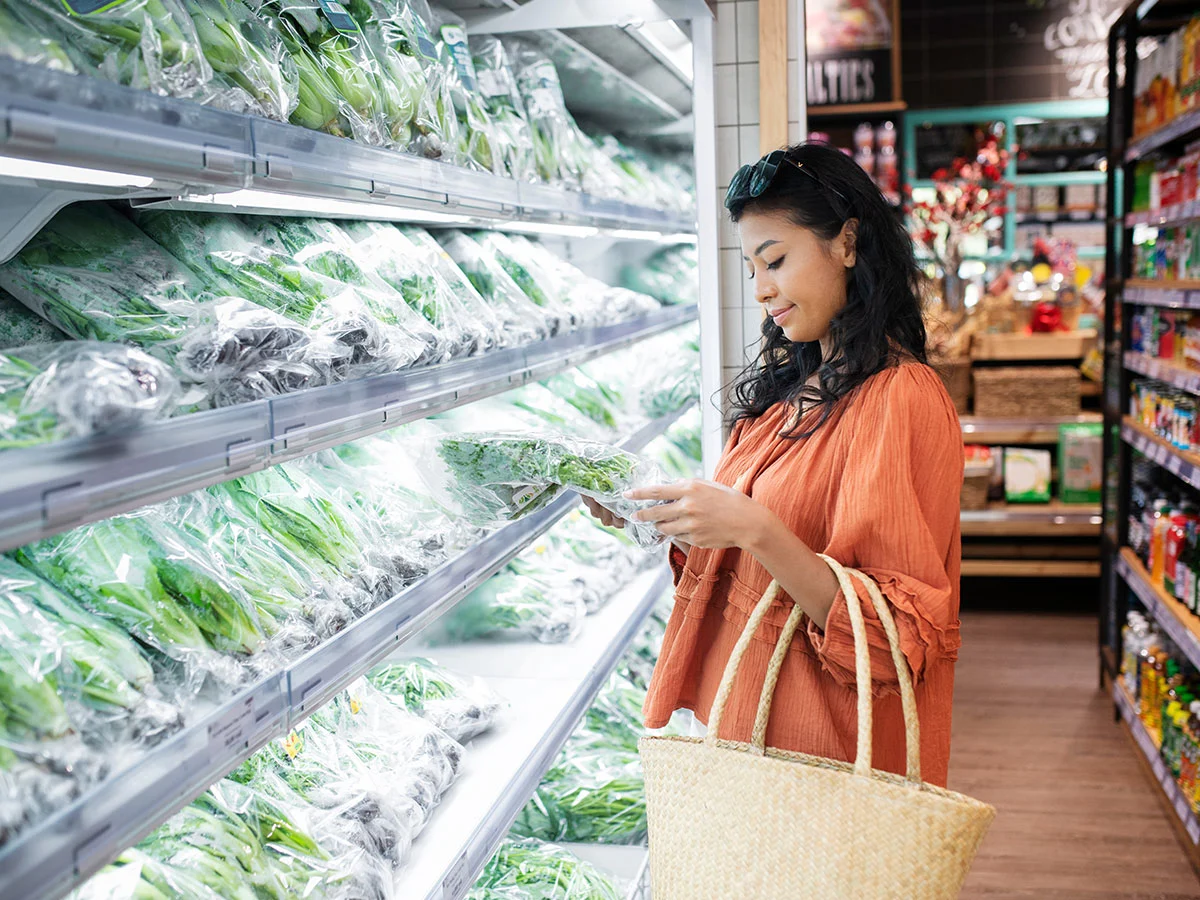
Malaysia’s consumer behaviour in 2026 is defined by a clear shift toward more deliberate, value conscious and selective spending. While overall consumption remains active across categories, the way Malaysians evaluate, compare and decide what to buy has become increasingly structured.
Rather than broad-based expansion, the market is now shaped by stronger price awareness, tighter budgeting considerations, and more intentional engagement across both online and offline channels. Consumers are not withdrawing from spending but refining how they participate in it.
A defining characteristic of 2026 is that shopping decisions are no longer driven by channel preference alone, but by value optimisation across multiple touchpoints. Consumers are increasingly deciding where and when to purchase based on perceived benefit, convenience and price advantage.
This article explores how Malaysians are spending, shopping and making purchase decisions in 2026, based on insights from the Consumer Consumption Study 2026.
Key Consumer Behaviour Insights in Malaysia (2026)
- Around 75% of Malaysians compare prices before making a purchase, making price benchmarking a standard part of the buying journey across channels
- Online shopping has moderated in 2026 after peaking in 2025, with behaviour now concentrated among younger, middle to higher income consumers aged 25 to 44
- Beauty and cosmetics remain the most digitally dominant category, with around 80% online share consistently across 2024, 2025 and 2026
- Impulse buying is highly prevalent, with 86% of Malaysians reporting spontaneous purchases, primarily driven by visible value rather than emotional triggers
These insights reflect a broader structural shift in Malaysian consumption, where decision-making is becoming more comparative, informed and value driven.
Research Methodology
This article is based on insights from the Consumer Consumption Study 2026 conducted by Vodus Research. The study examined Malaysian consumer behaviour across spending patterns, shopping channels, price comparison habits and purchase decision drivers.
A total of 3,021 Malaysians participated in the survey, representing a balanced national sample across age groups, income levels (MHI), ethnic backgrounds and geographic regions, including both Peninsular and East Malaysia.
The sample was designed to reflect Malaysia’s active consumer population, ensuring representation across urban and semi-urban audiences engaged in both digital and physical retail environments.
Data was collected through Vodus Research’s proprietary online survey platform, which reaches millions of Malaysians through the Vodus Media Network, including leading digital publishers such as Astro, Media Prima and Star Media Group.
Fieldwork was conducted from 17 March to 30 March 2026.
The full report includes deeper segmentation by income, age, region, and digital behaviour profiles not covered in this summary.
What Malaysians Are Spending On: Essentials vs Discretionary Spending Trends
Core Essentials Dominate Malaysian Spending
Core essentials continue to dominate Malaysian shopping behaviour in 2026, reflecting a disciplined and value conscious approach to everyday consumption.
Food and beverages remain the most widely purchased category, with 80% of Malaysians having bought it in the past six months. Personal care and hygiene follow at 62%, reinforcing its position as a foundational household category.

Together, these categories form the backbone of Malaysian consumption. They represent non-negotiable spending patterns that remain stable across income groups and economic conditions.
A key shift in 2026 is that consumers are not expanding category participation significantly, but optimising spending within existing categories.
Discretionary Spending Becomes More Selective
Beyond essentials, discretionary categories show stronger variation by income groups. M40 and T20 consumers are significantly more active in non-essential categories, while lower income segments remain more focused on core necessities.
This indicates that discretionary consumption in Malaysia is increasingly shaped by financial capacity rather than category preference.
Online Shopping Stabilises After Rapid Growth
Online shopping in Malaysia has entered a stabilised phase in 2026. After a strong surge in 2025, digital purchasing activity has moderated across most categories, signaling a shift from rapid adoption to behavioural normalisation.

Hybrid Shopping Becomes the Default Behaviour
More than half of Malaysian consumers now actively engage in both online and offline channels depending on purchase context. This reflects a hybrid retail model where channel switching has become a standard part of the decision journey.
Consumers choose channels based on:
- price visibility
- product type
- urgency
- promotional availability
Category-Level Differences in Online Adoption
Core essentials such as food and beverages show stable online purchasing behaviour driven by convenience and repeat purchase cycles.
In contrast, beauty and cosmetics remain the most digitally embedded category, with approximately 80% of purchases consistently happening online across 2024, 2025, and 2026.
Price Comparison Behaviour in Malaysia: How Consumers Decide What to Buy
Price Benchmarking Is Now a Default Behaviour
Around 75% of Malaysians compare prices before making a purchase, making benchmarking a standard step in the purchase journey rather than a reactive behaviour.
Multi-Channel Comparison Is Now the Norm
Consumers actively compare across:
- 75% physical stores
- 72% e commerce platforms
- 74% cross-channel (online + offline)
- 75% wait for discounts or promotions before purchasing
This confirms that price evaluation is now fully integrated across the consumer journey.
Impulse Buying in Malaysia: What Drives Spontaneous Purchases in 2026
Impulse Buying Is Driven by Structured Value
Impulse buying remains highly prevalent in Malaysia, with 86% of consumers reporting spontaneous purchases. However, this behaviour is increasingly driven by structured value signals rather than emotional influence.

Key triggers include:
- 53% promotions or sales events
- 41% limited time flash sales
- 39% free shipping offers
- 38% buy one get one free deal
Trust and Validation Remain Critical
Beyond impulse behaviour, Malaysians rely heavily on validation before purchasing:
- 63% seek reviews from peers or online sources
- 61% try new brands when free gifts are offered
- 45% engage in preloved, bundle or swap-based purchasing behaviours
What This Means for Brands in Malaysia
Malaysia’s 2026 consumer landscape signals a clear shift from volume-driven engagement to value-optimised decision-making. For brands, this means competition is no longer defined purely by visibility, but by how effectively value is communicated, compared and validated across channels.
With price comparison now a default behaviour, consumers are constantly benchmarking alternatives. This makes pricing strategy, promotional clarity, and cross-channel consistency critical to conversion. Inconsistent pricing across platforms can directly reduce purchase likelihood.
At the same time, digital success is no longer defined by presence alone. Categories such as beauty and cosmetics show that dominance comes from ecosystem strength—reviews, discovery tools, content and trust signals—rather than channel availability.
Impulse behaviour further reinforces this value-driven environment. Purchases are triggered when savings are clearly visible, making promotional design (flash sales, bundles, free shipping thresholds) a core conversion driver.
Finally, trust has become a primary conversion layer. Consumers increasingly rely on reviews and peer validation before committing, making credibility and social proof essential for brand growth.
Overall, winning in Malaysia’s 2026 market requires brands to be clearly valuable, easily comparable, and strongly trusted at the point of decision.
How Do Malaysians Prefer to Pay?
Where Malaysians shop is only part of the purchase journey. Payment preferences also vary between online and physical stores, with consumers moving between cash, cards, QR payments and e-wallets depending on how they shop.
For a deeper look at Malaysia’s most popular payment methods, e-wallet preferences and the changing role of digital payments in 2026, read Malaysia Payment Trends: Cash, Cards and E-Wallets.
The New Shape of Consumer Behaviour in Malaysia (2026)
Malaysia’s consumer behaviour in 2026 reflects a structural transition from expansion-led consumption to optimisation-led consumption.
Core essentials continue to anchor spending, while discretionary categories are increasingly shaped by income segmentation and perceived value thresholds.
Online shopping has stabilised, with hybrid behaviour now the dominant model across most categories. Price comparison has become a baseline behavioural standard, while impulse purchases are increasingly driven by structured promotional mechanics.
Overall, Malaysia is not consuming less but consuming differently. The modern Malaysian consumer is more intentional, more selective and more value driven, shaping a retail environment where visibility, trust and measurable value define every stage of the purchase journey.