October 01, 2026 8:17AM
Author: Kelvin Goh
Halal Dining in Malaysia: What Consumers Expect
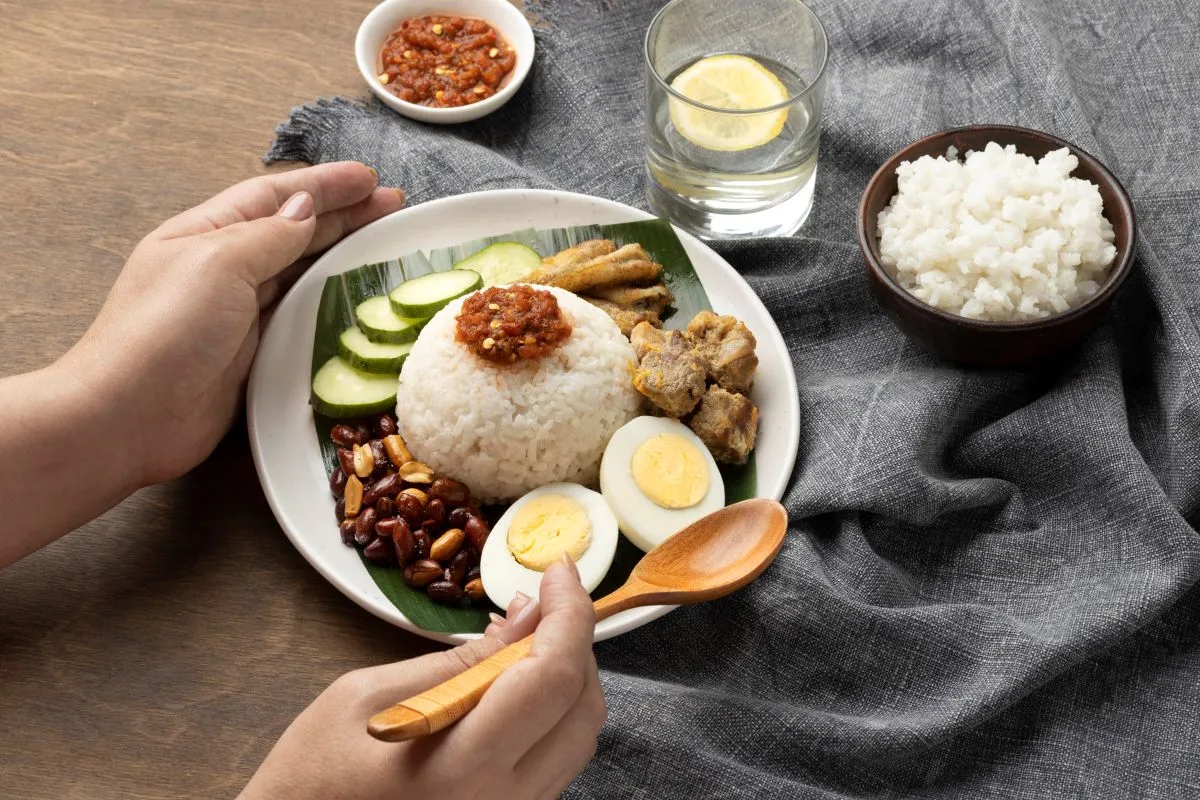
For many Malaysians, choosing where to eat involves more than deciding what looks good on the menu. Before taste, price or ambience comes another consideration: does this restaurant or food option provide enough Halal assurance for me to feel comfortable choosing it?
But what counts as enough assurance is not necessarily the same for everyone. Some consumers require official Halal certification. Others may be comfortable with a Muslim-owned or Muslim-operated business, while some look primarily for reassurance that food is free from pork and alcohol.
The Vodus Dining Study Malaysia 2026 explores these differences as part of a wider examination of how Malaysians make food and beverage choices. The findings show that official certification remains the strongest Halal assurance, but consumers apply different thresholds depending on what they are buying and their own requirements.
Together, the findings provide a more nuanced picture of Halal dining in Malaysia, where certification remains important but does not tell the whole story.
Key Insights
- Official Halal certification remains the strongest assurance. 44%–50% require it across the six F&B categories measured.
- Halal expectations vary among Malaysians. Around 3 in 10 accept alternatives such as Muslim ownership or pork- and alcohol-free status.
- Dietary suitability can shape group dining. 63% say it strongly affects dining comfortably with others, rising to 73% among Malays and 77% in the Southern region.
- Halal adherence is relatively strict. 67% of those following Halal requirements say they follow them quite or very strictly.
These findings draw on the study's analysis of Halal assurance, dietary adherence and the influence of dietary needs on F&B decisions.
Research Methodology
The findings in this article are based on the Vodus Dining Study Malaysia 2026, conducted among 1,964 Malaysian adults nationwide. The sample was stratified to mirror the Malaysian population census and covered both Peninsular and East Malaysia.
The study used Vodus’ proprietary OMTOS online survey methodology, delivering one-question micro-surveys through media partner placements across the Vodus Media Network, including Astro, Media Prima and Star Media. Fieldwork was conducted from 3 to 24 July 2026, with responses undergoing quality checks before analysis.
Halal Assurance Can Shape Where Malaysians Choose to Eat
For consumers who consider Halal important, the dining decision can begin before they compare menu items, prices or promotions. The outlet first has to provide a level of assurance they are comfortable with.
For dine-in restaurants, cafés and eateries, 50% of Malaysians surveyed say official Halal certification is their minimum consideration. Similar expectations appear in other parts of the F&B journey, with official certification required by between 44% and 50% across the six categories measured.

The consistency of this pattern suggests that Halal assurance remains relevant across different types of food and beverage purchases, rather than being confined to restaurant dining.
At the same time, the findings also show that formal certification is not the only threshold Malaysians use.
Official Certification Leads, but Halal Expectations Differ
Around 3 in 10 Malaysians accept some form of alternative assurance, such as Muslim ownership or operation and confirmation that the offering is pork- and alcohol-free. Meanwhile, roughly one in five consumers across the F&B categories measured say they do not consider Halal status when making their purchase.
This creates several different consumer thresholds within the market.
For one consumer, recognised certification may be essential. Another may be comfortable with a Muslim-operated outlet without certification, while someone else may focus on whether pork or alcohol is involved.
These forms of assurance should not be viewed as equivalent. Official certification remains the strongest single requirement in the study, while alternative forms of reassurance are sufficient for some consumers.
The result is a Halal dining landscape that is important but not uniform.
Halal Adherence Is More Than a Casual Preference
The role of Halal becomes clearer when looking at how closely consumers follow their requirements.
Among consumers who say they follow Halal requirements, 67% describe themselves as quite or very strict in adhering to them. This compares with 61% across dietary requirements and preferences overall.
The difference is not enormous, but it reinforces that Halal tends to represent a meaningful consumption boundary for many of those who follow it.
This also provides useful context for why assurance matters. Where adherence is relatively strict, uncertainty around an outlet or product may affect whether it is considered in the first place.
Dietary Suitability Can Shape Group Dining
Dining is often a social decision. Family meals, gatherings with friends and meals with colleagues require a venue that can work for different people at the same table.
Among consumers following dietary requirements or preferences, 63% say dietary suitability strongly affects whether they can comfortably dine with family, friends or colleagues.
The impact is higher among certain groups, rising to 73% among Malays and 77% among consumers in the Southern region.
These figures relate to dietary requirements collectively rather than Halal alone. However, they illustrate how suitability can extend beyond an individual food choice and become part of a wider group dining decision.
A person's dietary needs can therefore influence whether a particular restaurant or F&B option works for the occasion, especially when several people are choosing together.
Halal Expectations Extend Beyond Restaurant Dining
Although this article focuses on Halal dining in Malaysia, assurance expectations extend across multiple types of F&B purchases.
Official Halal certification is the minimum requirement for 50% when dining at restaurants, cafés or eateries. The figure is similarly high for prepared beverages such as coffee or bubble tea at 49%, while 45% require it when ordering food delivery.
The full study also measures expectations for takeaway, ready-to-drink beverages and packaged food.
The similarity across these different occasions suggests that Halal assurance follows consumers beyond the restaurant. The same person may dine out, order delivery and buy a prepared drink within the same week, bringing their expectations into each of those purchase situations.
This makes Halal part of a broader F&B decision journey rather than simply a restaurant consideration.
Halal Is Part of a Broader Dietary Landscape
Halal also sits alongside other dietary requirements and preferences.
61% of Malaysians report following Halal requirements, making Halal the most commonly reported dietary requirement or preference in the study. At the same time, 38% report following a low sugar, salt or fat preference, while 32% report a high-protein preference. Overall, 81% report at least one dietary requirement or preference.

This suggests that consumers can bring several considerations into the same F&B decision. Someone evaluating Halal suitability may also be thinking about nutrition, ingredients, taste, or price.
The wider study also shows that these dietary groups can differ in how strictly they follow their requirements and which food attributes they prioritise, providing a more detailed picture than the headline categories alone.
What the Findings Tell Us About Halal Dining in Malaysia
Taken together, the findings point to three broad characteristics of the Halal dining market in Malaysia.
First, official certification continues to carry substantial weight. Across multiple F&B categories, it remains the largest individual assurance requirement.
Second, Malaysians do not all apply the same threshold. Some accept other forms of assurance, while others do not consider Halal status when making F&B choices.
Third, adherence matters. Around two-thirds of those following Halal requirements say they do so quite or very strictly, indicating that Halal can represent a firm consumption boundary rather than a light preference.
Group dining adds another layer, as dietary suitability can affect whether consumers feel comfortable sharing the same dining occasion with others.
The picture is therefore more complex than simply dividing F&B options into Halal and non-Halal. It is also about how Malaysians establish sufficient assurance and how those expectations vary across different types of F&B choices.
Explore the Full Vodus Dining Study Malaysia 2026 Market Report
This article shares selected findings from the Health, Halal and Dietary Choices section of the Vodus Dining Study Malaysia 2026 Market Report.
The full Malaysia F&B Market Report provides the complete Halal assurance breakdown across dine-in, food delivery, takeaway, ready-to-drink beverages, prepared beverages and packaged F&B, including the different levels of assurance consumers accept within each category.
Beyond the findings shared here, the market report includes deeper analysis of Halal and dietary adherence, ingredient and health priorities, dietary requirements and their influence on F&B decisions, together with demographic analysis across age, gender, ethnicity, region and Monthly Household Income.
The wider report also examines dining occasions, outlet choice, food delivery, cuisine and discovery trends, coffee and tea consumption, spending and the broader factors shaping F&B choice and loyalty.
For organisations seeking a deeper understanding of Malaysia's F&B consumers, the Vodus Dining Study Malaysia 2026 Market Report provides the detailed category breakdowns, consumer profiles and strategic implications that are not covered in this public article.
Vodus Research conducts research across consumer behaviour, brand and communications, product and concept testing, market trends and customer experience. The Vodus Dining Study Malaysia 2026 Market Report forms part of its market insights series, providing independent consumer data and insights into the trends shaping Malaysia's F&B market.